
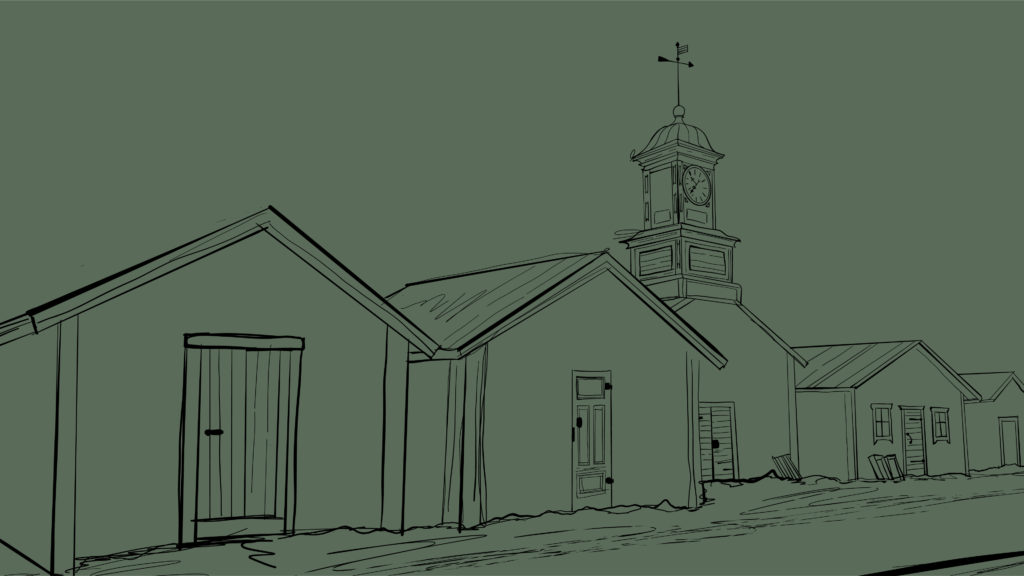
Built cultural environment
Get to know the rapid areas
On these pages, information has been compiled about the buildings at the Finnish and Swedish sides of Matkakoski and Kukkolaforsen, their history, and their significance for the dipnet fishing culture. You can find the following information on this website:
- Built cultural environment at the rapids
- Guidelines for renovating fishing huts (in Finnish)
- Webinar recording on conservation repair (in Finnish, recorded on 24th March 2026)
- Cultural environment studies of the rapids: Kukkolaforsen and Swedish Matkakoski in Swedish (coming soon) and Kukkolankoski and Finnish Matkakoski in Finnish
These help you gain an overall understanding of the whole formed by the buildings, the landscape, and the traditional activities.
Buildings as part of the dipnet fishing culture
The dipnet fishing culture of the Torne River is strongly connected to the environment and the buildings at Matkakoski and Kukkolaforsen. The built cultural environment, the buildings and structures form a culturally and historically valuable entity whose preservation is important for both the dipnet fishing tradition and the identity of the Torne Valley.
Each building at the fishing site has its own function, supporting dipnetting, fish handling, and cooperation between people. In the fishing storage buildings, the equipment needed for dipnetting is protected and stored. In the fishing huts, fresh fish is kept until further processing. The grilling hut is a meeting place where people brew coffee, cook fish dishes, and exchange local news. The riverside area by the rapids is a place for community, work, and collaboration—this is where whitefish is shared and where villagers and fishers gather.

Kukkolaforsen SWE
In Kukkola, the rapids area is located in the lower part of the village, where the power of the Torne River has, over centuries, shaped both the landscape and the ways people live and work. Next to the rapids lies a continuous area of culturally and historically valuable buildings, known as the cultural village. The area is divided into a northern and a southern part, each reflecting different functions connected to the river and its resources. Read more

Kukkolankoski FI
The fishing site at Kukkolankoski is included in the Finnish Heritage Agency’s inventory of nationally significant built cultural environments (RKY). On the riverside area next to Kukkolankoski there are buildings essential to the fishing culture, such as storage huts, a grilling hut, and a fish storage building. The most important building at the site, the grilling hut, was built in the 17th century. Read more
Matkakoski SWE
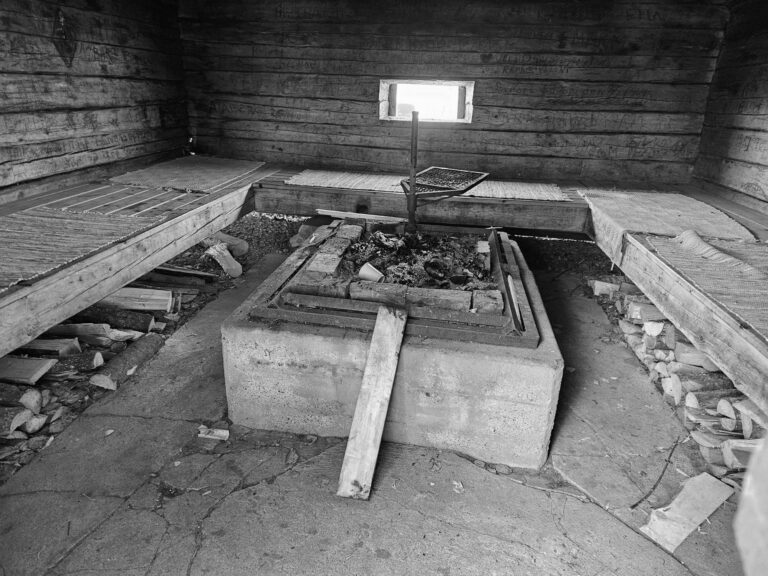
At Swedish Matkakoski, there is a rapids area where the built environment is closely connected to the traditional dipnet fishing culture of the Torne River. The grilling hut, the storage building, and the ice cellar together form a cohesive built cultural environment at Matkakoski. These structures are directly linked to dipnet fishing and provide a clear picture of how fishing was practiced, organized, and lived at the rapids. Read more
Matkakoski FI
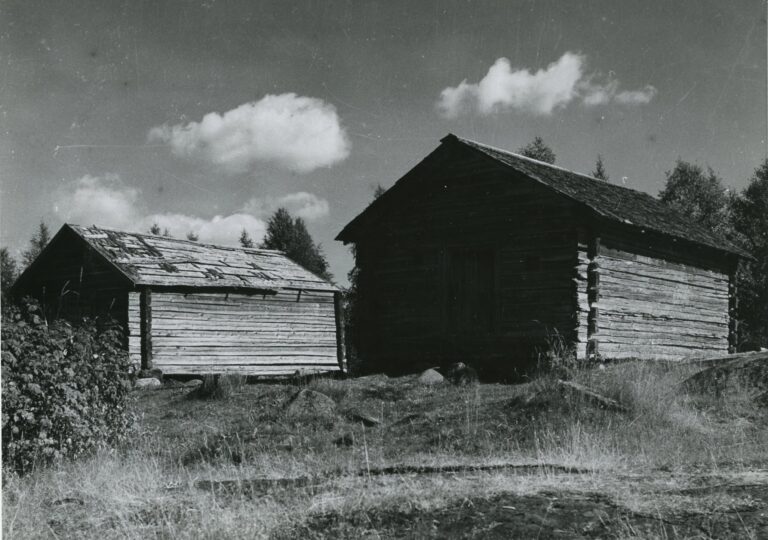
Matkakoski is part of the valuable Lower Torne Valley landscape of national interest, extending from Karungi in Tornio to Nuotioranta in Övertorneå, forming a wide and cohesive cultural landscape. The environment of the rapids fishing site at Matkakoski is important for the dipnet fishing tradition. Read more


